
SCAR
Exploring how everyday substances shape our gut ecosystem, with the active participation of citizens
Our gut is home to billions of microorganisms, the gut microbiome, which are essential for digestion, metabolism, immunity, and protection against pathogens. Xenobiotics, chemical substances found in food, medications, or the environment, can affect this balance, promoting either health or disease. SCAR studies these interactions at the molecular level with the active participation of citizens, bringing science and society closer together.


Oeiras Experimenta in numbers

6
researchers
2
ITQB NOVA labs
30
citizen scientists
30
fecal samples 19
resistant isolates 1
Master’s thesisScientific Goals
SCAR studies how xenobiotics affect the gut microbiome, focusing on:
- How bacteria react to heavy metals and other environmental substances;
- Mechanisms of survival or cooperation under chemical stress;
- Whether resistant bacteria can protect sensitive species;
- How to apply this knowledge to innovative probiotics or gut bioremediation.
Labs Involved
SCAR was launched in 2025 at ITQB NOVA and is coordinated by the Laboratory of Human Microbiota-Xenobiotic Interactions. It also benefits from the essential collaboration of the Microbial Development Laboratory and is supported by the Municipality of Oeiras.

Scientists Results and Impact
SCAR allowed:
- the collection and analysis of 30 samples; the identification of 19 heavy-metal-resistant isolates, primarily Escherichia coli and Enterococcus spp.;
- the discovery of protective interactions between species, such as a strain of E. coli that partially reduces the toxicity of cadmium on Phocaeicola vulgatus;
SCAR continues to expand its scope, with the next steps including:
- Complete genome sequencing of the resistant isolates;
- Evaluation of resistance genes and potential applications in health or biotechnology;
- Dissemination of results to the public.
SCAR confirms that citizen science is not just about data collection; it is about building knowledge, scientific literacy, and innovation applied to health and the environment.
Citizen Scientists
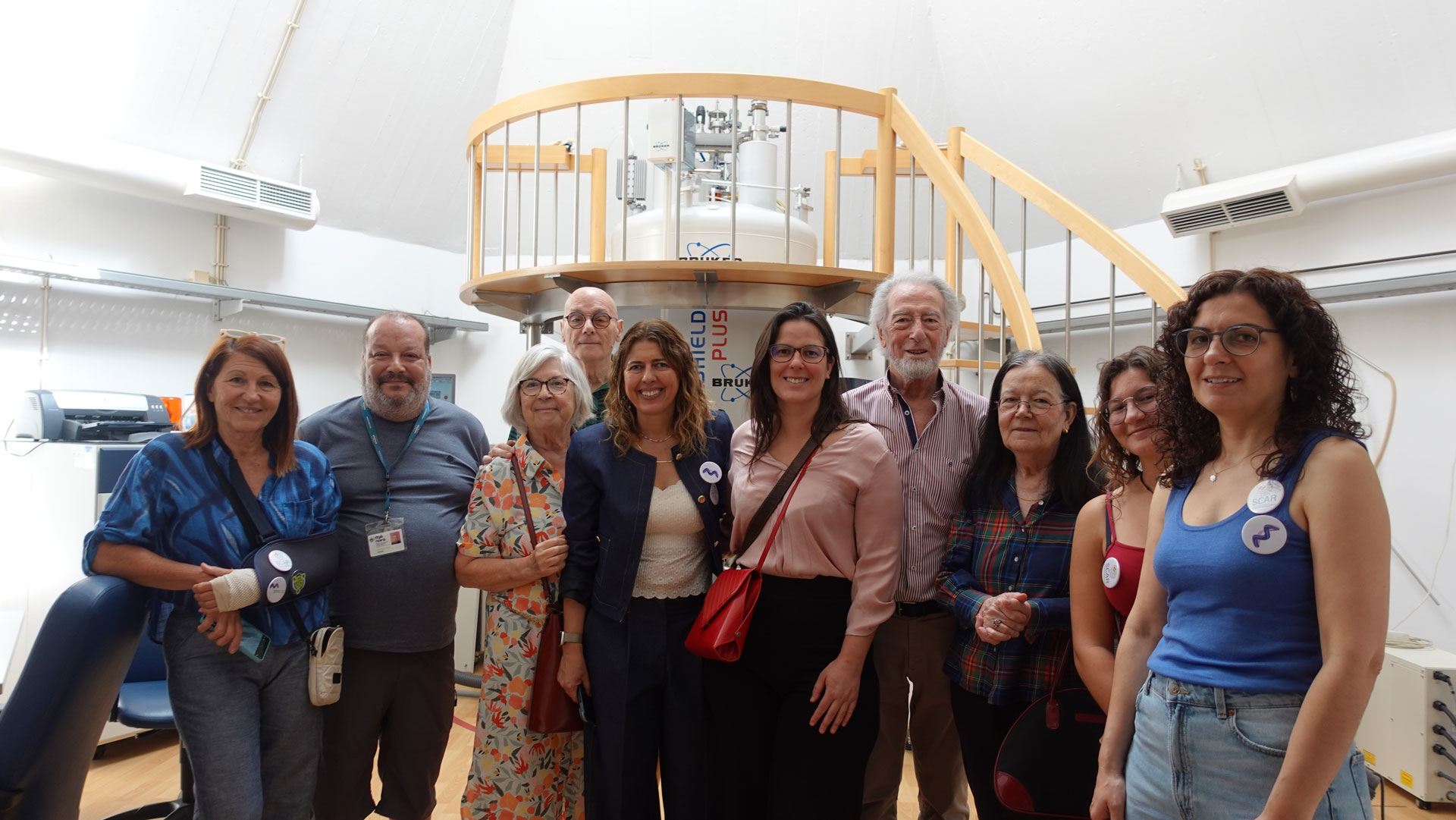
SCAR involved 30 citizen scientists, most of whom were ITQB NOVA staff members, who facilitated the collection and processing of samples and promoted networking among departments.
The staff members participated in:
- Donating fecal samples and completing questionnaires on lifestyle and dietary habits;
- Monitoring laboratory analyses using advanced techniques;
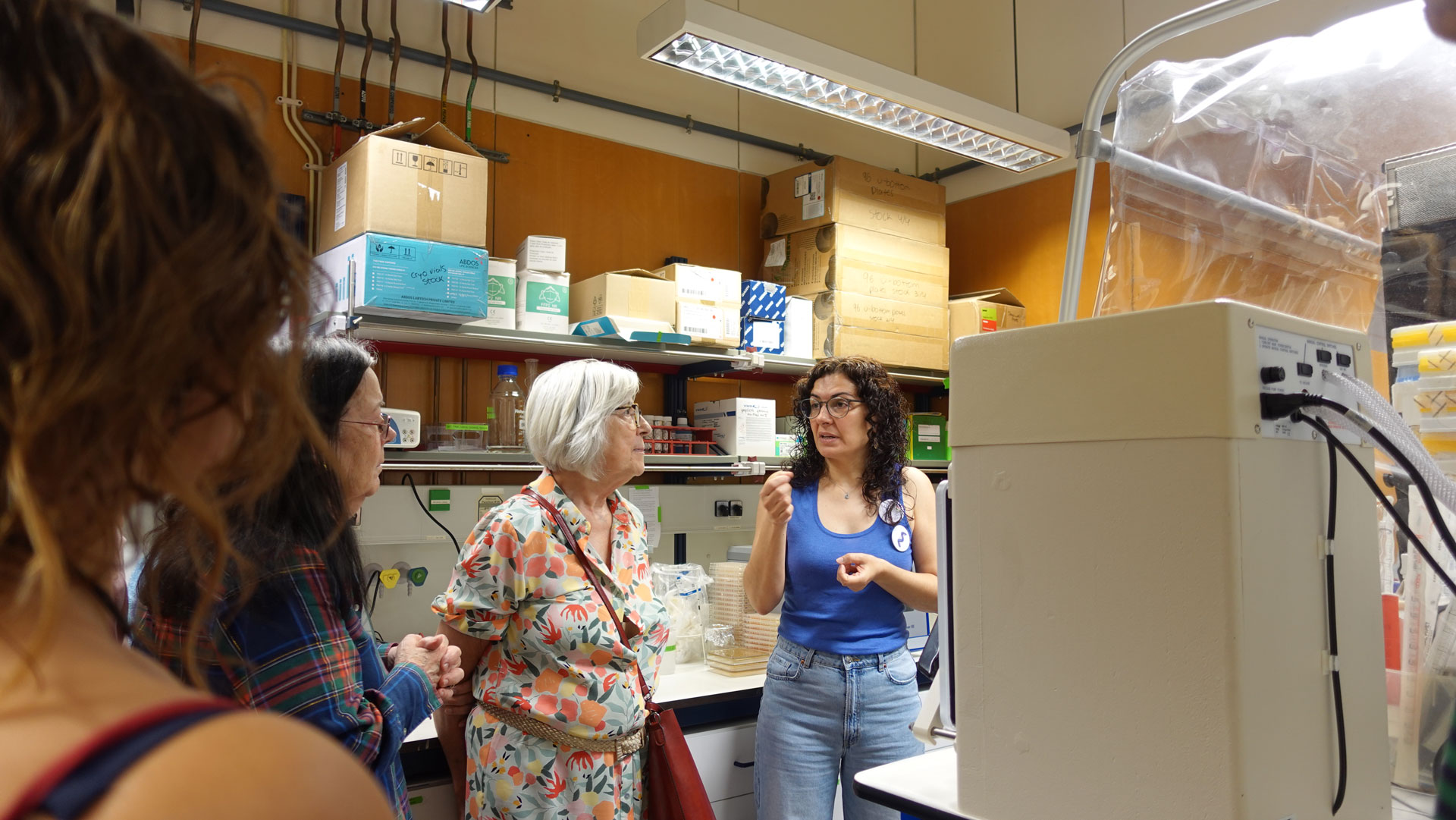
- Visits to laboratories and microscopy and NMR facilities;
- Science outreach as project ambassadors at events such as ITQB NOVA’s Open Day, European Researchers’ Night, and International Microorganism Day.
This model brings citizens closer to research, strengthens scientific literacy, and values their active role in the scientific community.

Maria Cruz, student from the Master’s in Biochemistry for Health at Universidade Nova de Lisboa
This study shows that the gut is a dynamic ecosystem where cooperation among species can reduce the toxicity of heavy metals. The citizens involved helped us turn hypotheses into concrete data, and they demonstrate that the most transformative science is done collaboratively.