
Micro Mundo @Oeiras
Citizen science to discover new antimicrobials and map antibiotic resistance
Antibiotic resistance is one of the greatest threats to global public health, jeopardizing decades of medical progress. Given the scarcity of new, effective antibiotics, MicroMundo@Oeiras demonstrates that innovative solutions can emerge from the combination of cutting-edge science and active public participation. By transforming the local soil into a living laboratory and involving students and citizens in scientific research, the project shows that citizen science can generate relevant knowledge.

Oeiras Experimenta in numbers

3
editions
2
schools involved
>20
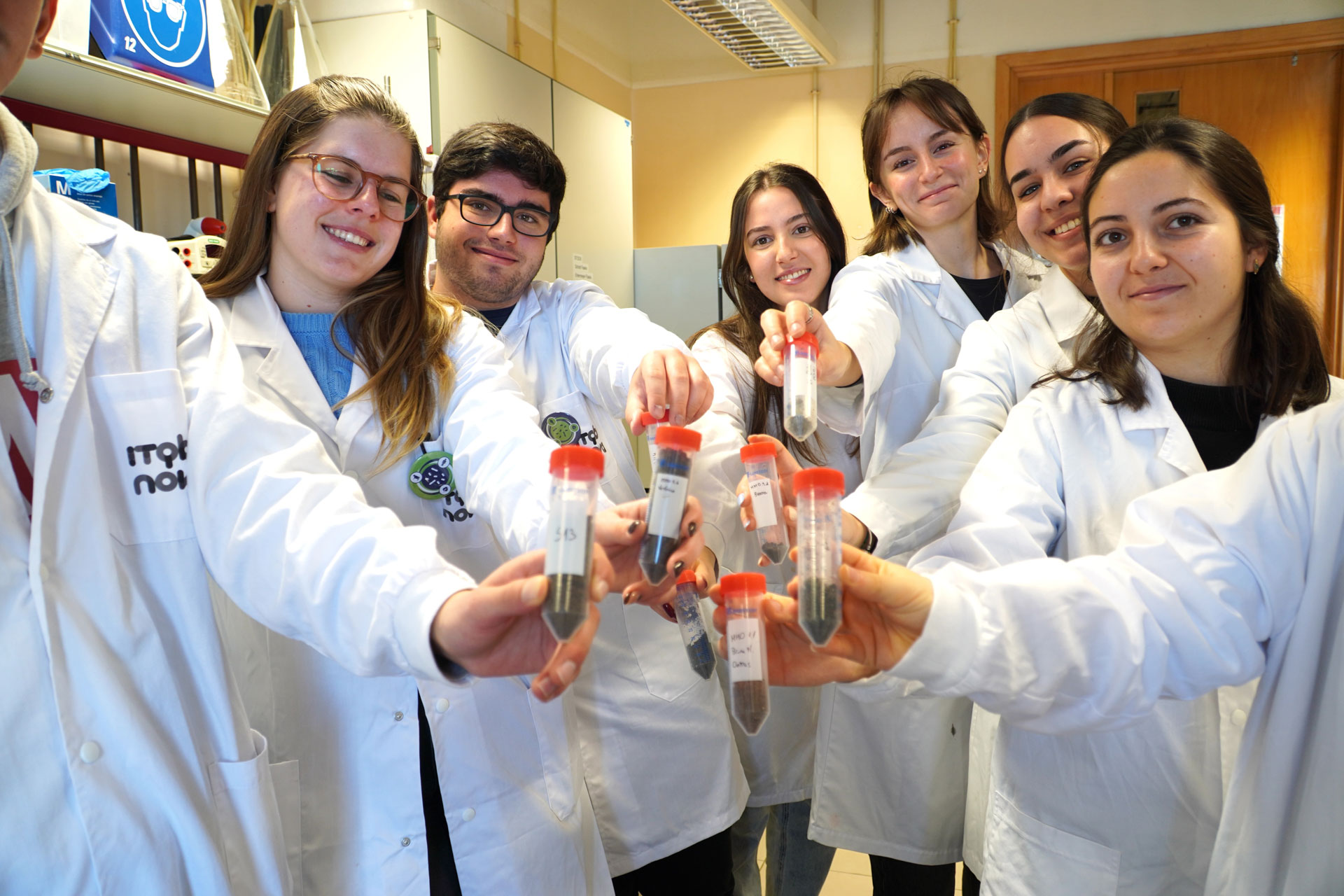
students/citizen scientists involved
39
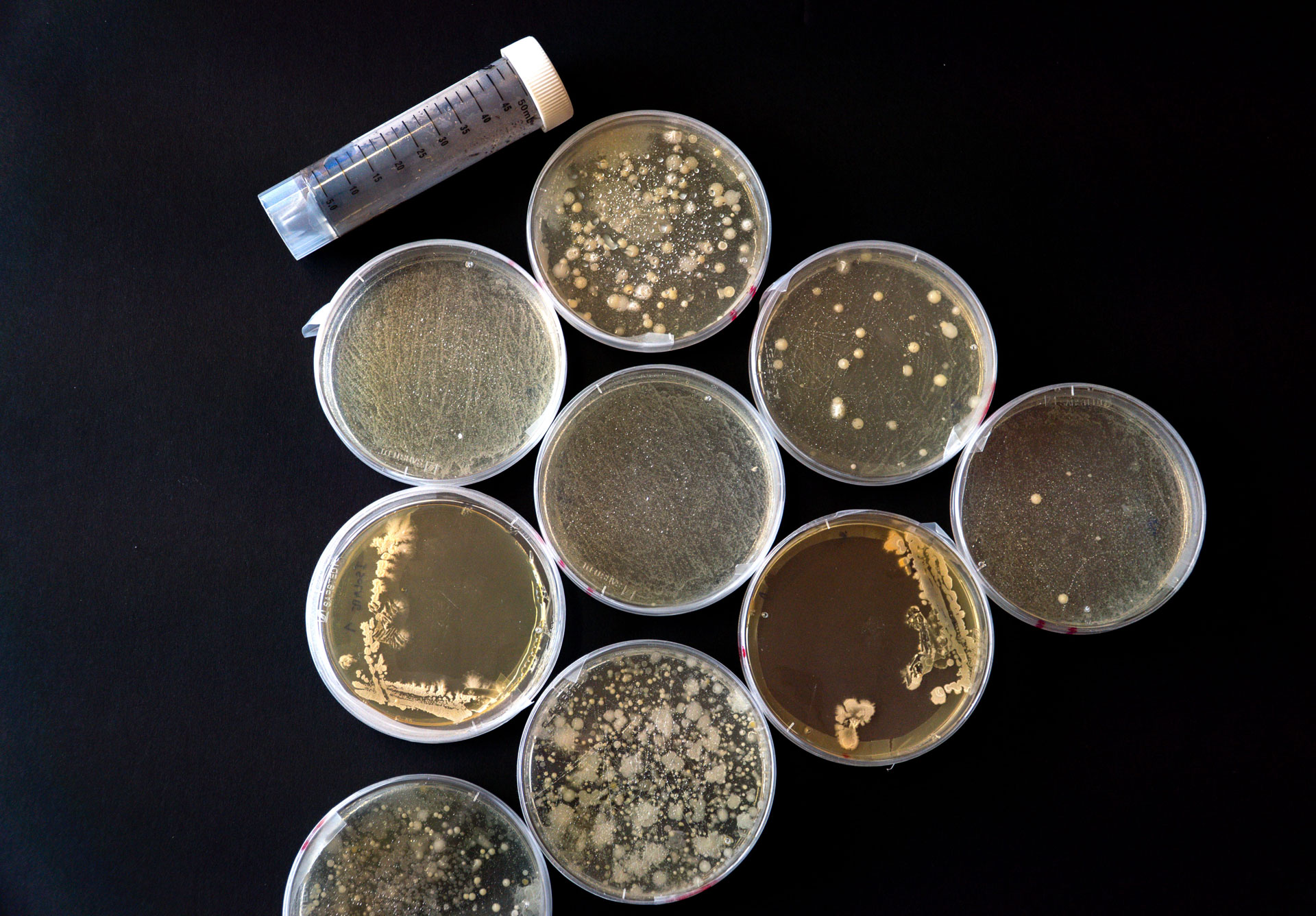
soil samples (780 bacterial isolates)
3
papers
3
presentations in conferences 1
research fellowshipScientific Goals
- Discover new antibiotics from bacterias isolated from soil samples;
- Map and monitor hotspots of antibiotic resistance in the environment using molecular biology techniques;
- Raise awareness about the issue of antimicrobial resistance;
- Promote scientific literacy, interest in science, and the development of skills
Labs Involved
The project is coordinated by ITQB NOVA, as part of the citizen science program, with support from ITQB NOVA’s Communication Office, in close partnership with the Municipality of Oeiras, and involves researchers from the following laboratories:


Micromundo@Oeiras has a partnership with Micromundo@OPorto and is aligned with the international networks of Micromundo@Spain and the Tiny Earth / Small World Initiative project.
Scientists Results and Impact
Citizen scientists from MicroMundo@Oeiras contributed to:
- identifying 15 bacterial strains with potential antimicrobial activity and 159 resistant bacterial isolates, with data available via open access;
- increasing scientific literacy, raising awareness about the responsible use of antibiotics, and fostering civic participation in science.
The project also implemented an innovative protocol for environmental monitoring of bacterial resistance, adding a new step to the international MicroMundo protocol.

Bruna Henriques, ITQB NOVA researcher and coordinator of the MicroMundo@Oeiras project
MicroMundo@Oeiras has been part of my scientific journey from the very beginning: I started as a mentor and citizen scientist during my master’s degree, later became the project manager, and was the first author of a paper published in FEMS Microbiology Letters.